"How Long Will it Take?" Exterior Painting Project Average Timelines, Delays, and Tips

Updated: Oct 6

Key Takeways
|
You want to know how long your exterior painting project will take before you book the crew and plan your week. You also want clear facts, not rough guesses. Most exterior house painting projects in Ottawa take 3 to 5 days, depending on prep work, weather, and home size.
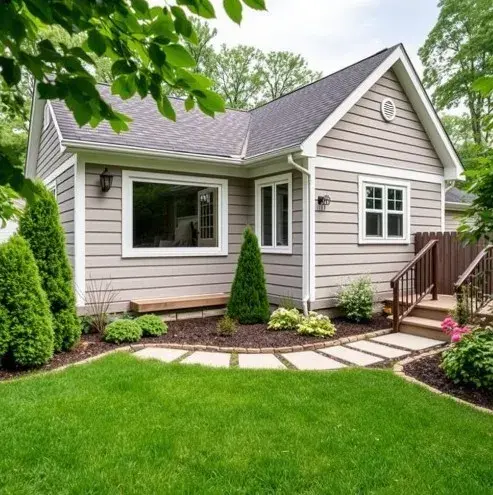
A small bungalow with minor scraping may wrap up in about three days. A two-storey home with trim detail, repairs, and ladder work can stretch closer to five days. Weather often sets the pace, and rain can delay progress, as many Ottawa contractors explain in this guide on how long a typical residential painting job takes in Ottawa.
When you work with Letts Paint, we plan around curing time, surface prep, and safe access so your house painting project moves smoothly. You will see how timing changes based on your siding type, neighbourhood exposure, and the season you choose.
Typical Project Durations
Most exterior painting time in Ottawa falls between three and seven days. Your final painting timeline depends on surface type, prep work, and how much priming the home needs.
Common Timelines for Different Surfaces
A typical two-storey home in Ottawa takes 3–7 days for a full exterior repaint. This range matches what many contractors outline in guides like this overview of how long an exterior painting project takes.
If you only paint siding and trim, we often finish in about 3–5 days. Add detached garages, shutters, doors, or detailed trim, and your exterior painting timeline can extend closer to a week.
Deck staining usually takes 2–3 days. Day one often covers cleaning and drying. Paint application or stain goes on once moisture levels are safe.
Fences often take 1–2 days, depending on length and whether you need a full primer coat or just spot priming exposed wood.
Doors and trim alone may take 1–2 days, especially if drying time between coats slows progress.
Assumptions Behind Time Estimates
Time estimates assume normal Ottawa summer weather. Rain, high humidity, or cool nights can stretch your painting timeline because surfaces must stay dry before and after paint application.
We also assume proper prep. Scraping loose paint, sanding edges, washing siding, and caulking gaps all affect exterior painting time. Skipping these steps may save hours now but can shorten the life of the finish.
Priming also changes the schedule. Spot priming small bare areas adds little time. A full primer coat across large sections can add an extra day, especially if drying conditions are not ideal.
At Letts Paint, we plan your exterior painting timeline around curing time, not just labour hours. You want each coat to bond well so your colour holds up through Ottawa winters.
Factors That Influence Project Length
Several clear factors decide how long your exterior painting project will take in Ottawa. The size of your home, the surface material, the level of surface preparation, and local weather all affect labour time and scheduling.
Size of the Home
The size of your home directly affects how many days the project will take. A small bungalow often takes 3–5 days, while a larger two‑storey home can take 5–8 days or more.
More square footage means more surface washing, more scraping and sanding, and more time applying each coat. Homes with attached garages, dormers, and detailed trim also increase labour hours.
Access also matters. If your home sits close to a neighbour’s property line or has tight walkways, we may need extra setup time for ladders or scaffolding.
At Letts Paint, we plan your schedule based on the full exterior footprint, not just the front view. That gives you a realistic timeline before work begins.
Surface Material Considerations
Different materials require different prep methods and drying times. Wood siding often needs more scraping and sanding than vinyl or aluminum.
Stucco and brick require careful surface washing and sometimes specialized primers. Wood trim may need spot sanding, caulking, and priming before we apply finish coats.
Decks and fences add extra days because horizontal surfaces need longer drying time after pressure washing. Wood must be fully dry before stain or paint goes on.
Metal surfaces may need rust treatment and sanding. Each material changes how we schedule the work and how long each stage takes.
When you choose Letts Paint, we assess every surface type on your home so you know exactly what affects your timeline.
Amount of Preparation Required
Surface preparation often takes as long as painting itself. If old paint is peeling, we must complete thorough scraping and sanding before we apply new coatings.
Pressure washing or full surface washing usually happens first. After that, drying time can take one or two full days depending on humidity and sun exposure.
We also check for gaps that need caulking. Small cracks around windows, doors, and trim must be sealed before painting.
Homes with heavy peeling or chalking require more labour. In those cases, prep can take several extra days.
You should expect prep work to include:
Surface washing or pressure washing
Scraping loose paint
Sanding rough edges
Spot priming bare wood
Caulking joints and seams
Quality surface preparation protects your colour and improves durability in Ottawa’s climate.
Ottawa Weather Delays
Ottawa weather often extends project timelines. Rain, high humidity, and sudden temperature drops can pause exterior work.
According to this guide on exterior painting in Ottawa timing and weather, surface temperature and moisture levels matter just as much as air temperature.
Paint needs dry surfaces and stable conditions to cure properly. Morning dew can delay start times, especially on shaded sides of your home.
Industry estimates also show that a professional crew typically needs 4–7 days to paint a 2,000 sq. ft. house exterior in good weather. Poor weather can extend that window.
At Letts Paint, we monitor forecasts daily and adjust schedules when needed. A short delay helps prevent peeling, blistering, and early paint failure.
Comparing Professional and DIY Approaches
Your timeline depends on who does the work and how well they manage prep, weather, and safety. In Ottawa, exterior painting often takes 3–7 days with a crew, but it can stretch to two weeks or more if you work alone on evenings and weekends.
Hiring a Professional
When you hire Letts Paint, you hire a crew that follows a clear schedule. Most Ottawa homes take 3–5 days with standard prep and good weather, which matches common timelines for a typical exterior painting project.
We start with washing, scraping loose paint, sanding rough areas, and priming bare wood. Then we apply two full coats and plan around rain and humidity. If the forecast changes, we adjust quickly to avoid delays.
You also get:
Proper ladder and safety setup
Faster drying checks between coats
A clear final walkthrough to review details
A larger two-storey home may take closer to 4–7 days, which aligns with common ranges for how long to paint a house exterior. You avoid weekend labour and reduce the risk of uneven coverage or missed spots.
Doing It Yourself
If you paint your own home, expect the job to take longer. Many homeowners need 1–2 weeks, especially if they work after hours or only on weekends. Prep often takes more time than painting.
You must handle:
Pressure washing and dry time
Scraping and sanding
Caulking gaps
Moving ladders safely around the house
Weather can stop your progress. A few days of rain can push the timeline back fast. Many guides on DIY exterior painting vs contractor note that safety and prep are the biggest time factors.
DIY can lower upfront costs, but it increases your labour and planning time. If you underestimate prep or drying time, your project may last much longer than expected.
Neighbourhood-Specific Considerations in Ottawa
Where you live in Ottawa affects how long your exterior painting project takes. Home age, siding type, lot size, access, and local rules all shape the prep time, crew size, and schedule.
Hintonburg
Hintonburg has many older brick and wood homes built close together. Tight side yards often limit ladder setup and slow movement around the house.
You may also have rear additions or mixed materials like stucco over brick. That mix adds prep time because each surface needs different primers and paint systems.
If your home dates before 1978, it may contain lead-based paint. Older homes in central areas often require extra care and safe prep steps, as noted in this Ottawa painting FAQ about lead paint in pre-1978 homes. Testing and containment can extend timelines.
Street parking can be limited. We at Letts Paint plan staging and material delivery carefully to avoid delays.
Westboro
Westboro blends older homes with large custom builds. Newer homes often have fibre cement, metal accents, and detailed trim.
These materials need specific products and dry times. Dark colours on south-facing walls can also heat up fast in summer, which affects when we can paint each side.
Busy streets near Richmond Road may restrict where we place lifts or scaffolding. Access planning adds time on day one.
If you live near the river, expect higher moisture and wind exposure. We schedule work around stable weather because Ottawa’s climate plays a big role in exterior durability, as explained in this guide on exterior painting timing and weather in Ottawa.
The Glebe
The Glebe has many heritage homes with wood siding, ornate trim, and front porches. Detailed millwork takes longer to prep and coat than flat vinyl siding.
You may also need heritage approval for colour changes. Waiting for approval can add weeks before painting even begins.
Older wood often shows peeling and cracks. We spend more time scraping, sanding, priming, and caulking to create a sound base.
Homes built before 1960 almost always had lead paint at some point. Safe prep methods protect your family and our crew, but they add labour time.
Narrow driveways and mature trees can also slow equipment setup.
Old Ottawa South
Old Ottawa South features century homes near the Rideau River. Moisture levels tend to stay higher, especially on shaded sides.
That moisture means longer drying times after washing. We test surfaces before priming to avoid trapping water under paint.
Many homes have rear decks and fences that clients want stained at the same time. Adding deck staining increases total project length because horizontal wood needs extra drying and curing time.
Some streets have limited access for large trucks. We may need to stage materials by hand, which adds a few hours on the first day.
Detailed trim and multi-colour schemes also increase labour compared to single-colour vinyl homes.
Alta Vista
Alta Vista has mid-century bungalows with brick and aluminum siding. Brick often needs less painting, but wood soffits and fascia still require prep.
If your home has older aluminum siding, chalking is common. We must wash and sometimes apply bonding primer before finish coats.
Wide lots make ladder access easier. That can shorten production time compared to dense urban areas.
However, many homes have tall hedges and mature landscaping. Protecting plants and setting drop sheets properly adds setup time.
If you plan a full repaint, check local property standards to ensure exterior upkeep meets City rules, outlined in the City of Ottawa Property Standards By-law.
Nepean
Nepean includes many 1970s to 1990s suburban homes. Vinyl and aluminum siding dominate, which usually speeds up painting because less scraping is required.
Prep still matters. Faded siding may need cleaning and adhesion testing before we apply new colour.
Detached homes with wide side yards allow faster ladder movement. We can often complete an average two-storey vinyl home in fewer days than a tight urban property.
Wind exposure in open subdivisions can affect spray work. We may switch to brush and roll on gusty days, which can extend timelines.
Garages and backyard fences often add extra scope. Clarifying what you want painted at the estimate stage helps prevent schedule changes.
Kanata
Kanata has large homes, complex rooflines, and high peaks. Height alone can add time because we may need lifts instead of ladders.
Setting up and moving a lift across a large lot takes planning. Weather delays also affect tall walls more because wind speeds increase at height.
Newer builds often use engineered wood or composite trim. These surfaces require specific primers and cure times.
If your home sits in a newer development, confirm any community guidelines about exterior colour changes.
Project size plays a big role here. Larger homes naturally take longer, similar to the timelines described in this overview of how long a typical residential painting job takes in Ottawa.
Orleans
Orleans homes often face strong sun exposure on open streets. South- and west-facing walls can heat up quickly in summer.
We plan the order of work around the sun. Painting overheated siding can affect adhesion and finish quality.
Many homes have vinyl siding with contrasting shutters and doors. Multi-colour schemes increase cutting-in time.
Backyards often include decks and fences. Adding these elements extends the total schedule, especially if we must wait for dry weather windows.
Driveway space usually allows easy equipment access. That can offset some of the extra time from detailed trim.
You may also need to plan around family schedules in occupied homes, which can affect daily start and finish times.
Barrhaven
Barrhaven features newer subdivisions with similar home models. Repetition can speed up planning because we know common layouts.
However, homes often sit close together. Limited space between houses can restrict ladder placement and slow progress on side walls.
Many properties include pressure-treated decks that need proper drying before staining. If the wood is new, we may need to delay staining for several months.
Large fenced yards require careful gate access for equipment. We confirm measurements in advance to avoid delays on day one.
If you combine siding, trim, doors, and deck staining in one project, expect a longer timeline. We at Letts Paint build realistic schedules based on scope, weather, and access so your project moves forward without surprises.
Best Times of Year for Painting
You get the best results when you plan your project around Ottawa’s weather, not just your schedule. Temperature swings, humidity, and daylight hours all affect how long your exterior painting project takes and how well the paint performs.
Spring
Spring often marks the start of exterior painting season in Ottawa. Many homeowners book projects between May and June, when daytime temperatures stay above 10°C and surfaces dry out after winter.
Cool mornings and mild afternoons help paint level out properly. You also avoid extreme heat that can cause fast drying and lap marks.
Rain can slow your timeline. If steady showers hit during prep or between coats, we may need to pause for surfaces to dry fully. Wet siding or trim can delay work by a day or more.
You should also watch overnight lows. If temperatures drop close to freezing, curing slows and adhesion can suffer. We plan your project around stable forecasts to reduce delays and protect your finish.
For more detail on seasonal timing in Ottawa, review this guide on the best time to paint a house in Ottawa.
Summer
Summer brings long daylight hours and steady weather. This helps us complete larger projects faster, especially full exterior repaints.
Warm temperatures between 10°C and 25°C support proper curing. According to this article on the ideal temperatures for exterior painting in Ontario, staying within that range helps prevent peeling and cracking.
Very hot days can create challenges. Direct sun can heat siding well above the air temperature. When surfaces get too hot, paint may dry too fast and leave visible brush or roller marks.
We adjust our schedule to work around direct sun. We may start earlier in the day or move to shaded sides of your home. These small changes help control cure times and keep your project on track.
High humidity can also slow drying. If moisture levels rise, you may see longer gaps between coats.
Early Fall
Early fall, especially September and early October, often provides stable and comfortable conditions. Daytime temperatures stay moderate, and humidity usually drops compared to mid-summer.
Lower humidity helps paint cure evenly. Surfaces also stay warm enough during the day to support good adhesion.
You need to watch the clock as the season shifts. Shorter daylight hours can reduce the number of working hours each day. Overnight temperatures can also drop quickly in Ottawa.
If lows approach freezing, we must stop exterior painting. Paint that does not cure properly before a cold snap can fail early. Planning ahead helps you finish before late fall weather sets in.
Key Factors: Temperature, Humidity, and Cure Times
Weather affects more than comfort. It directly impacts how long your project takes and how well your paint holds up.
Temperature:
Ideal range: 10°C to 25°C
Too cold: slow curing and weak adhesion
Too hot: fast drying and uneven finish
Humidity:
High humidity slows drying
Trapped moisture can cause blistering
Moderate humidity supports even curing
Cure time: Dry to the touch does not mean fully cured. Paint needs stable conditions for several days to harden properly.
When you book with Letts Paint, we monitor forecasts closely. We schedule labour and materials around stable weather so your project moves efficiently and your finish lasts in Ottawa’s climate.
Tips to Speed Up Your Exterior Painting Project
If you want your exterior painting project to move faster, start with solid planning. Book early in the season so you avoid peak summer demand in Ottawa. When you work with Letts Paint, we schedule your project around clear weather to prevent delays.
Prepare your property before painters arrive. Trim back trees, move patio furniture, and clear items away from walls.
Simple prep steps you can handle:
Cut grass short around the house
Remove wall décor, lights, and house numbers if possible
Park vehicles away from the work area
Good preparation reduces labour time and keeps the crew focused on painting, not moving obstacles.
Choose your colours and finishes ahead of time. Last-minute changes slow down progress and can affect material orders. Confirm details like trim colour, doors, and siding so everything stays on track.
Weather plays a big role in Ottawa. Most projects take about 3–7 days for a typical exterior painting timeline, but rain and high humidity can extend that. We monitor forecasts daily and adjust when needed.
You can also speed things up by approving quotes and access quickly. Make sure we have access to power outlets and water if required.
Action | How It Helps |
Clear work areas | Reduces setup time |
Confirm colours early | Avoids material delays |
Provide easy access | Keeps crews efficient |
When you stay organized and responsive, your project moves smoothly and your home gets its new colour sooner.
Conclusion
Exterior painting in Ottawa usually takes 3 to 7 days, but your timeline depends on size, prep, and weather. Rain, high humidity, or cool nights below 10°C can slow things down. That is why planning around the forecast matters.
You can expect most standard homes to follow a simple path:
Day 1–2: Washing, scraping, sanding, and repairs
Day 2–4: Priming bare areas and applying first coat
Day 4–7: Second coat, touch‑ups, and cleanup
Larger homes or detailed trim can add extra labour days.
Weather plays a big role in Ottawa. Exterior work should happen when it stays dry and above 10°C, which limits most projects to late spring through early fall. You can learn more about seasonal limits in this guide on what to expect during a home painting project in Ottawa.
Most exterior jobs fall within a one‑week window, as outlined in this overview of an exterior house painting timeline. Prep and drying time protect your home and help the colour last.
When you hire Letts Paint, we give you a clear schedule before we start. You know what happens each day, how we protect your property, and when your project will finish. That way, you can plan your week with confidence and enjoy a clean, fresh exterior without stress.
Frequently Asked Questions
You want clear numbers, not vague estimates. Project length depends on prep work, weather, drying time, and any repairs we find before we apply paint.
What factors can make an exterior paint job take longer or shorter?
The size of your home plays a big role. A small bungalow may take 3 to 4 days, while a two‑storey home with detailed trim can take 5 to 7 days.
Surface condition also matters. Peeling paint, damaged siding, and heavy chalking add labour time.
Access can slow things down too. Tight spaces, steep roofs, and large decks require extra setup and safety steps.
How does Ottawa’s weather and humidity affect the project timeline?
Ottawa’s weather can change fast. Rain, high humidity, and strong wind can delay exterior painting by a few days.
Most exterior paints work best between 10°C and 29°C. High humidity slows drying and can extend wait times between coats.
For more detail on ideal seasons and temperature ranges, see this guide on the exterior house painting project timeline in Ontario.
How many days does a typical house exterior painting project usually take?
In Ottawa, most standard homes take about 4 to 7 days from start to finish. This includes setup, prep, priming, and two finish coats.
Larger homes or properties with detached garages and fences may take 7 to 10 days.
You can review more local details in this overview of how long exterior house painting takes in Ottawa.
Does surface prep like scraping, sanding, or power washing add extra time?
Yes, prep work often adds 1 to 2 full days. We scrape loose paint, sand rough edges, and power wash dirt and mildew before we start painting.
If we skip prep, the paint may peel early. At Letts Paint, we never rush this stage because it affects how long your new colour will last.
How long do I need to wait between coats for exterior paint to cure properly?
Most exterior paints need 4 to 24 hours between coats. The exact time depends on temperature, humidity, and the product we use.
Cooler or damp days increase drying time. We always check manufacturer guidelines to protect the finish.
Even after the final coat feels dry, full curing can take several days.
Will repairs like wood rot or caulking change the schedule, and by how much?
Yes, repairs can add 1 to 3 extra days. Small caulking jobs may only add a few hours, but wood rot repair takes longer.
If we replace damaged boards, we allow time for proper sealing and priming before we apply paint. That step protects your home and improves long‑term results.
When you ask how long does exterior painting take, include repair time in your plan. At Letts Paint, we explain these details upfront so you know what to expect.